
How to Get an Identity Protection Personal Identification Number from the IRS

While con artists love tax season, 2020 marked the first year since at least 2014 that tax-related identity theft was not included on the Internal Revenue Service’s (IRS) “Dirty Dozen” list of tax scams. However, it remains a threat to all taxpayers, yourself included. All the bad guys need to do is file your tax return before you do and redirect your refund to their bank account.

Commissioner Rettig’s words ring true (see image above), especially when you stop to consider that the COVID-19 pandemic has increased online activity for many of us. As a result, it stands to reason that con artists are increasing their online activity as well, and capitalizing on our increased exposure to online identity theft.

One of the tools the IRS offers taxpayers to help in the fight against tax-related identity theft is the Identity Protection Personal Identification Number (IP PIN)— a six-digit number that the IRS is authorized to assign to eligible taxpayers. The number is known only to the taxpayer and the IRS, and it’s meant to prevent identity thieves from filing fraudulent tax returns using the taxpayer’s Social Security Number (SSN).

As the IRS puts it, the IP PIN locks your federal tax account, and serves as the key to opening that account. So, if you file electronically and your submission doesn’t contain the correct IP PIN, it will be Continue reading… Continue reading… Continue reading…
The Potential Tax Implications of COVID-19 Legislation

By |2021-02-26T14:11:03-08:00February 10, 2021|Categories: COVID-19|0 Comments

The dark clouds of the coronavirus pandemic continue to hang heavy over all of us, but even these clouds have a silver lining. The Consolidated Appropriations Act (CAA), signed into law on Dec. 27, 2020, provides for a second round of stimulus payments ($600 per taxpayer and qualifying child), an expansion of the Paycheck Protection Program (PPP), and numerous tax provisions and extensions that benefit both individuals and businesses.

The 2021 tax year brings additional relief in the form of increased contribution limits to retirement accounts, an increase in the standard deduction, and increases in other tax-related limitations and thresholds. (Under our country’s tax code, the standard deduction is a dollar amount that non-itemizers may subtract from their income before income tax is applied.)

In this post, we highlight recent tax provisions, extensions, limits and thresholds you should be aware of as you prepare your 2020 taxes and plan for the coming 2021 tax year.

CAA Provisions for Individuals, Payroll, and Businesses

Consolidated Appropriations Act (CAA) provisions apply to individuals, payroll, and businesses, as presented in the following sections.

Provisions for Individual Taxpayers

The CAA offers the following benefits for individual taxpayers: Continue reading… Continue reading… Continue reading…

How to Get PPP Loan Forgiveness

By |2021-02-03T17:18:36-08:00February 3, 2021|Categories: Taxes|Tags: , |0 Comments

If you’re an owner or manager of one of the more than 5 million U.S. businesses that received a loan under the Paycheck Protection Program (PPP) — you can now have that loan converted to a grant and forgiven.

However, if you don’t apply for PPP loan forgiveness within 10 months after the last day of the covered period for the loan your business received, then the possibility of deferment ends. At that point, your business will be required to begin making loan payments to your PPP lender.

If your business is a Paycheck Protection Program borrower, it is eligible for loan forgiveness if you used the funds for eligible payroll costs, business mortgage interest payments, rent, or utilities during either the 8- or 24-week period after you received the loan.

Paycheck Protection Program Loan Basics

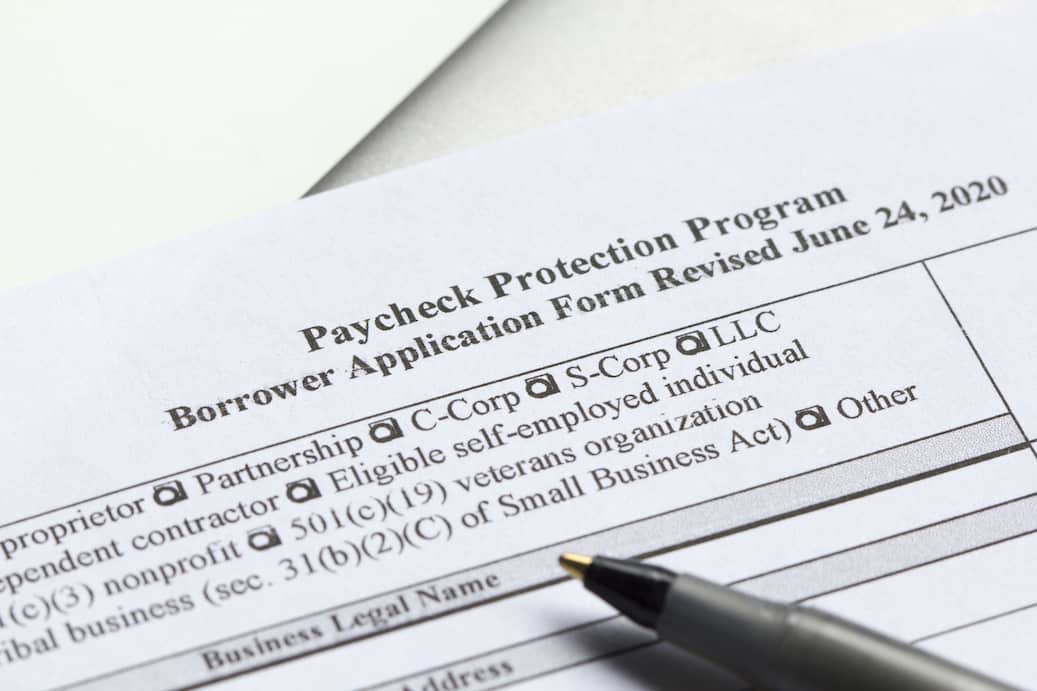
For the uninitiated, the Paycheck Protection Program (PPP) is a $659-billion economic relief program established as part of the Coronavirus Aid, Relief, and Economic Security (CARES) Act to help small businesses, self-employed workers, sole proprietors, certain nonprofit organizations, and tribal businesses remain solvent and continue paying their workers during the COVID-19 pandemic. Under the PPP, a qualifying small business (generally with fewer than 500 employees) could obtain a loan of up to $10 million at a very low interest rate (1 percent) and have the loan forgiven after proving that the money was used for qualified payroll and other expenses.

The following table provides an overview of the PPP Loan program. Continue reading… Continue reading… Continue reading…

Go to Top
