

About Marni Walker, CPA

Marni Walker, CPA, is a founding partner of SWC — an independently owned tax planning and financial strategy advisory firm for small-business owners, real estate investors, and high-net-worth individuals. With a background in accounting and banking and a focus on analyzing new and proposed tax laws and regulations, Marni is SWC’s leader for accountant education, tax procedure, and legacy planning.

Should I File for an Extension with the IRS?

By |2022-03-31T11:49:30-07:00March 31, 2022|Categories: Taxes|Tags: , , , |0 Comments

With the federal income tax return filing deadline fast approaching (April 18, 2022, for the 2021 tax year), every day you don’t have your taxes filed can send your psyche soaring to new levels of anxiety.

Maybe you’re waiting for addition documentation — a corrected 1099 perhaps, or a schedule K1. Or maybe you’re a born procrastinator. Whatever the reason, give your anxieties a break, because the feds (and most state taxing authorities) will give you a two-month grace period.
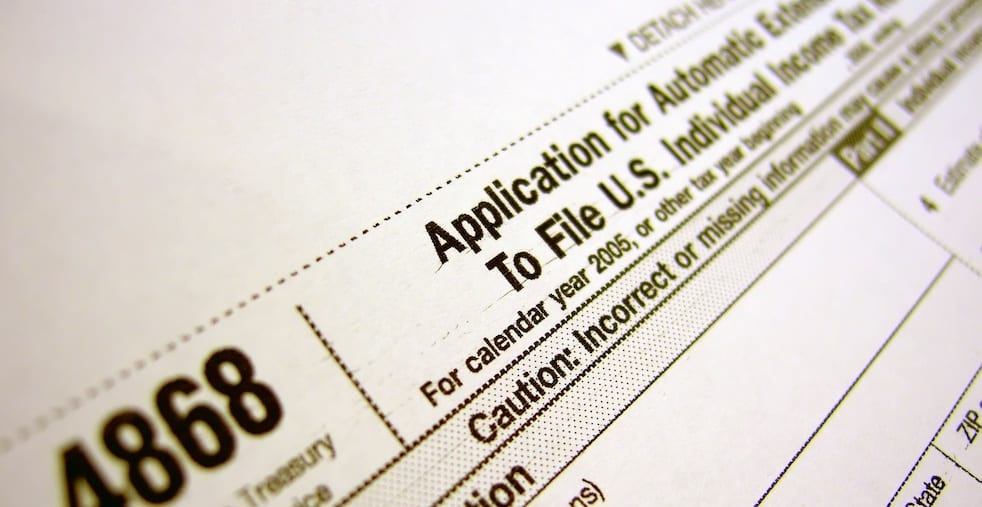
What’s the catch? Actually, there are two important stipulations:

  • First, you need to apply for an extension by filing Form 4868 with the IRS. The deadline for submitting this form is the same as the deadline for filing your taxes.
  • Second, you must pay what you owe. This is usually the dealbreaker, because most people don’t know what they owe until they (or their CPA firm or accountant) prepare their tax return. So, if you’re going to file for an extension, you need to estimate what you owe and pay that when you file for the extension. If you crunch the numbers and are fairly certain you’ll get a refund, then no worries — meaning you don’t have to pay more money than you’ll eventually get back. However, if you owe anything, you’ll be charged penalties and interest for underpayment of taxes.

In this post, I answer the most commonly asked questions about tax extensions that we receive here at SWC. If your tax extension question isn’t answered below, drop our office a note using our online Contact form, or call us during business hours at (858) 487-4580.

Tax Filing Extensions FAQs

Q: What if my application for a tax filing extension is rejected?

Continue reading… Continue reading… Continue reading…

Deciding When to Start Drawing Your Social Security Retirement Benefits

If you or a loved one’s 62nd birthday is just around the bend, first of all, happy birthday! In addition to all the other gifts you or your loved one are about to receive on your special day, perhaps the best present of all is that you’ll be eligible to start cashing in on your social security retirement benefits — assuming, of course, that you paid into social security during your working years.

However, just because you’re eligible to start receiving social security checks at the age of 62 doesn’t mean you should. The longer you wait, the bigger your checks. You can start receiving checks when you hit that 62-year milestone; at the age of 65 (the traditional age for retirement); or at 67, which is full retirement age (FRA). You can even delay benefits until as late as age 70 (to receive the maximum benefit) or start collecting benefits anytime along that timespan.

my Social Security Login Screen

Starting benefits as soon as possible may seem like a good idea, and it may be in the right situation. The catch is, your benefits will be reduced by as much as 30 percent if you don’t wait until your full retirement age, which is likely around 67 years and change.

The bottom line is that each person’s situation is unique. What’s right for one, may not be the best choice for another. So, what should you do? That’s where we come in. The team here at SWC can sit down with you to analyze your situation and help you decide what’s best for you and your family.

In this post, I explain your options and some of the main factors to consider when deciding the best time to start collecting your social security retirement benefits.

Determining Your Eligibility

First things first. To be eligible to receive social security benefits, you must meet the following criteria: Continue reading… Continue reading… Continue reading…

Go to Top
