
How to Get PPP Loan Forgiveness

By |2021-02-03T17:18:36-08:00February 3, 2021|Categories: Taxes|Tags: , |0 Comments

If you’re an owner or manager of one of the more than 5 million U.S. businesses that received a loan under the Paycheck Protection Program (PPP) — you can now have that loan converted to a grant and forgiven.

However, if you don’t apply for PPP loan forgiveness within 10 months after the last day of the covered period for the loan your business received, then the possibility of deferment ends. At that point, your business will be required to begin making loan payments to your PPP lender.
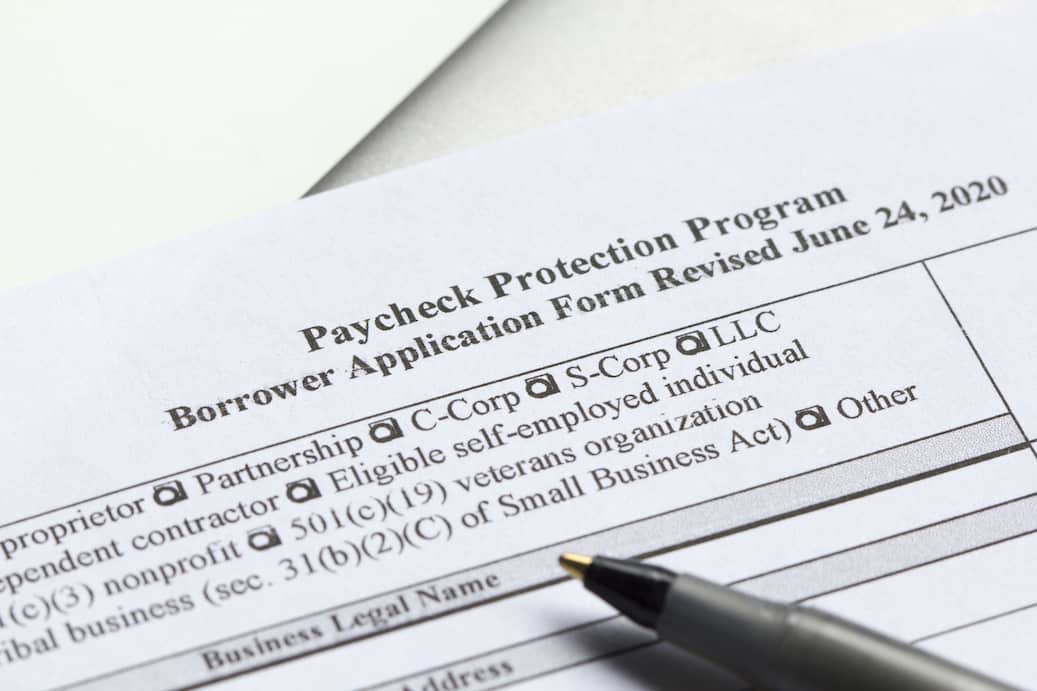
If your business is a Paycheck Protection Program borrower, it is eligible for loan forgiveness if you used the funds for eligible payroll costs, business mortgage interest payments, rent, or utilities during either the 8- or 24-week period after you received the loan.

Paycheck Protection Program Loan Basics

For the uninitiated, the Paycheck Protection Program (PPP) is a $659-billion economic relief program established as part of the Coronavirus Aid, Relief, and Economic Security (CARES) Act to help small businesses, self-employed workers, sole proprietors, certain nonprofit organizations, and tribal businesses remain solvent and continue paying their workers during the COVID-19 pandemic. Under the PPP, a qualifying small business (generally with fewer than 500 employees) could obtain a loan of up to $10 million at a very low interest rate (1 percent) and have the loan forgiven after proving that the money was used for qualified payroll and other expenses.

The following table provides an overview of the PPP Loan program. Continue reading… Continue reading… Continue reading…

How to Determine Loan Forgiveness Under the Paycheck Protection Program

By |2020-04-29T15:08:05-07:00April 29, 2020|Categories: COVID-19|Tags: , |1 Comment

The recent $669-billion Paycheck Protection Program (PPP) established by the Coronavirus Aid Relief and Economic Security (CARES) Act has been enacted to a chorus of mixed reviews.

The PPP provides loans of up to $10 million per eligible small business to cover payroll costs and other qualifying expenses (such as rent and utilities) to keep small businesses afloat and employees paid until government agencies allow them to reopen. Perhaps best of all, the total amount of each loan used to cover payroll and qualifying expenses may ultimately be forgiven. In other words, the U.S. government won’t require repayment under certain conditions.

Since banks started taking applications for PPP loans, the program has been plagued with controversy — from big businesses getting the lion’s share of the allocated funds to employers having to contend with furloughed and laid off employees who do not see the value in returning to work because they may be able to earn more by remaining on unemployment.

Paycheck Protection Program Forgiveness  Loan Calculations

If your company applied for and was approved for a PPP loan, all of this controversy may be water under the bridge. Now your concern is focused on how much of the money you received in the form of a PPP loan will need to be paid back. This post addresses that concern — both for businesses with employees and for self-employed individuals.

Loan Forgiveness for Businesses with Employees

If you own a business and have employees working for you, the amount of your Paycheck Protection Program loan that will be forgiven is said to be equal to the following payments made, and the costs incurred during the eight-week period beginning on the loan origination date (the first disbursement date):

  • Payroll costs:
    • Gross salary, wages, commissions, or tips paid to employees (based on an annual wage of up to $100,000 per worker)
    • Vacation, parental, family, medical, or sick leave (excluding any family or sick leave covered under the Families First Coronavirus Response Act and reimbursed through payroll tax credits)
    • Termination allowances
    • Group health care benefits, including insurance premiums
    • Retirement benefit payments
    • State and local payroll taxes
  • Mortgage interest on a mortgage taken out by the borrower for real or personal property incurred prior to Feb. 15, 2020 (not including prepayments)
  • Rent on a lease taken out before Feb. 15, 2020
  • Utilities for service begun before Feb. 15, 2020

The entire amount of the Paycheck Protection Program loan is supposed to be forgiven if you meet all three of the following conditions: Continue reading… Continue reading… Continue reading…

Go to Top
