
Should I File for an Extension with the IRS?
Share This Post

With the federal income tax return filing deadline fast approaching (April 18, 2022, for the 2021 tax year), every day you don’t have your taxes filed can send your psyche soaring to new levels of anxiety.
Maybe you’re waiting for addition documentation — a corrected 1099 perhaps, or a schedule K1. Or maybe you’re a born procrastinator. Whatever the reason, give your anxieties a break, because the feds (and most state taxing authorities) will give you a two-month grace period.
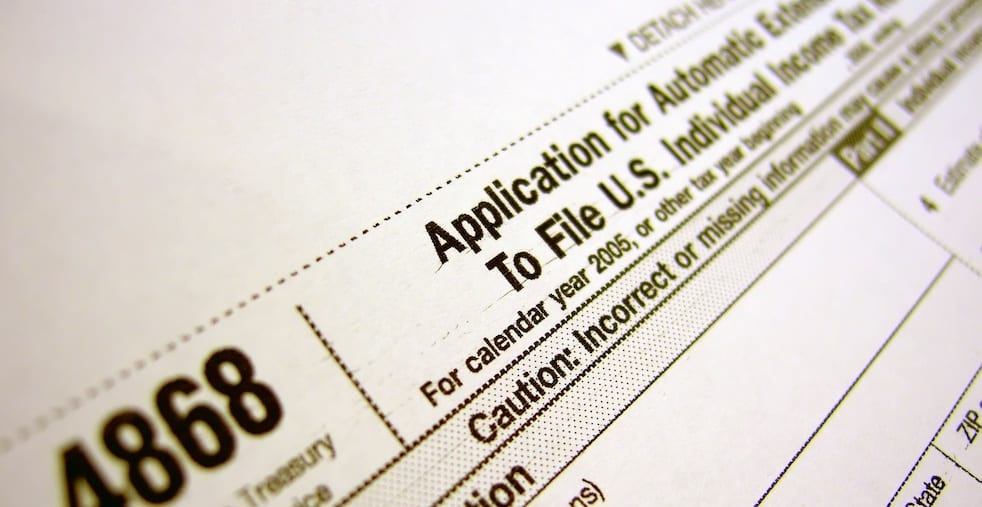
What’s the catch? Actually, there are two important stipulations:
- First, you need to apply for an extension by filing Form 4868 with the IRS. The deadline for submitting this form is the same as the deadline for filing your taxes.
- Second, you must pay what you owe. This is usually the dealbreaker, because most people don’t know what they owe until they (or their CPA firm or accountant) prepare their tax return. So, if you’re going to file for an extension, you need to estimate what you owe and pay that when you file for the extension. If you crunch the numbers and are fairly certain you’ll get a refund, then no worries — meaning you don’t have to pay more money than you’ll eventually get back. However, if you owe anything, you’ll be charged penalties and interest for underpayment of taxes.
In this post, I answer the most commonly asked questions about tax extensions that we receive here at SWC. If your tax extension question isn’t answered below, drop our office a note using our online Contact form, or call us during business hours at (858) 487-4580.
Tax Filing Extensions FAQs
Q: What if my application for a tax filing extension is rejected?