
Prediction Markets: Is It Gambling and How Are Your Winnings Taxed
Share This Post

You’d be hard pressed to miss the television, radio, podcast, and online advertisements for prediction markets. Platforms such as Kalshi, Polymarket, and FanDuel Prediction Markets (aka FanDuel Predicts) have leaned heavily on celebrity endorsements.
These include such notables as record producer Rick Rubin, basketball player Giannis Antetokounmpo, actor Timothee Chalamet, golfer Bryson DeChambeau, and soccer player Lionel Messi.
It’s almost as if the prediction markets themselves are betting that star power will attract more customers willing to parley. These wagers target everything from political races and moon landings to interest-rate cuts, inflation, and breakthroughs in cancer research.
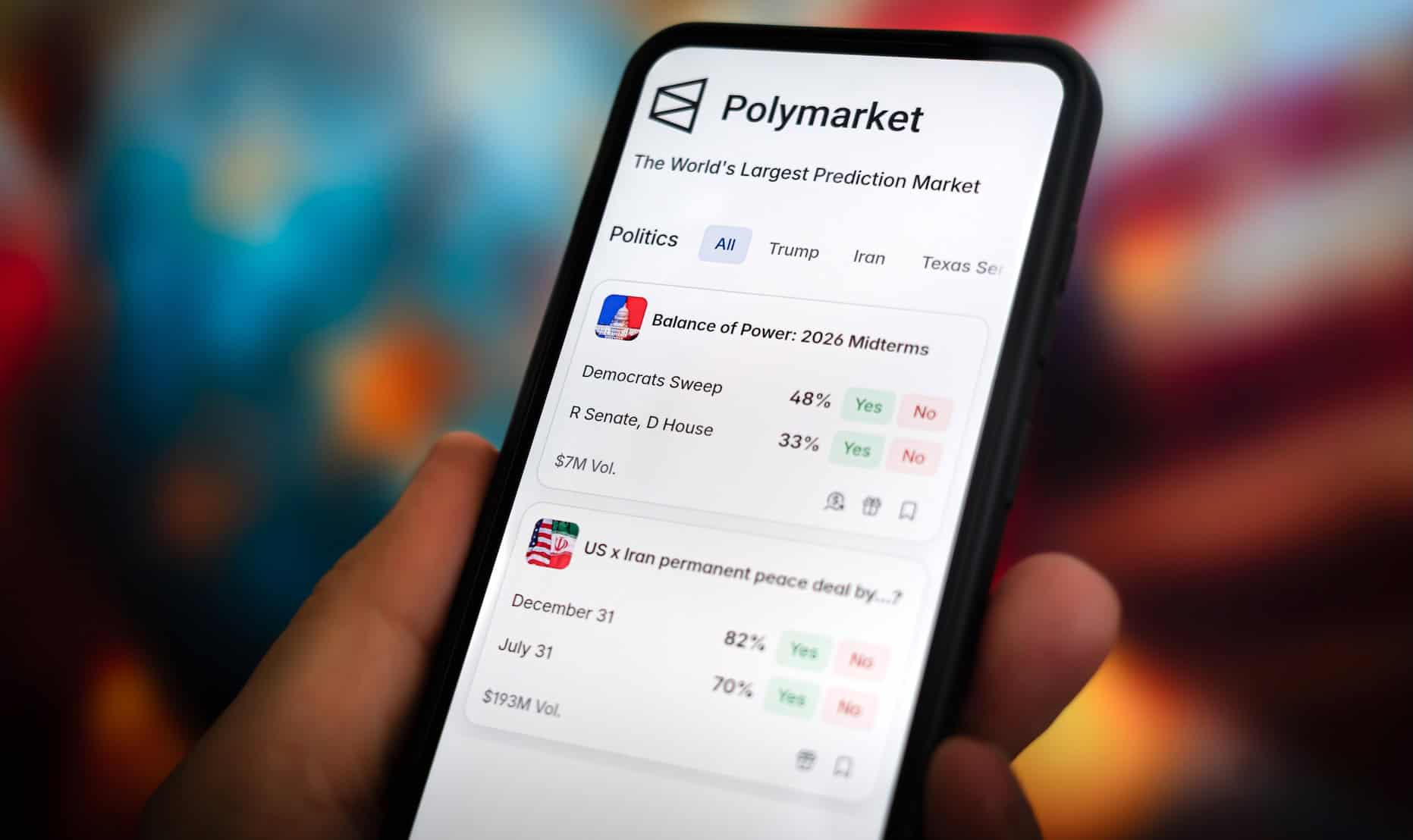
Of course, wagering on future events is nothing new. People have been putting money behind their predictions for centuries. What is new is the ability to pull out your phone, open an account, and buy a contract based on whether an event will happen.
And that’s where things get interesting from a tax perspective.
Prediction markets may look and feel like gambling. Legally, however, some prediction-market contracts are structured and regulated as financial derivatives. That leaves taxpayers with a surprisingly difficult question:
- When you make money in a prediction market, did you win a bet, earn a capital gain, profit from a futures contract, or something else entirely?
Right now, the answer isn’t as clear as you might expect.
First Things First: What’s a Prediction Market?
A prediction market allows people to trade contracts based on the outcome of a future event. Suppose a contract asks whether the Federal Reserve will cut interest rates at its next meeting. You believe it will, so you buy a “yes” contract.
Prediction-market contracts commonly trade between $0 and $1. If the “yes” contract trades for $0.70, you can think of the market as roughly pricing a 70 percent probability that the event will occur. If it happens, the winning contract generally settles for $1. If it doesn’t, the contract settles for nothing. Continue reading… Continue reading… Continue reading…